Nulla tincidunt tincidunt mi
Curabitur iaculis, lorem vel rhoncus faucibus, felis magna fermentum augue, et ultricies lacus.
Morbi vel erat non mauris convallis vehicula. Nulla et sapien. Integer tortor tellus, aliquam faucibus.
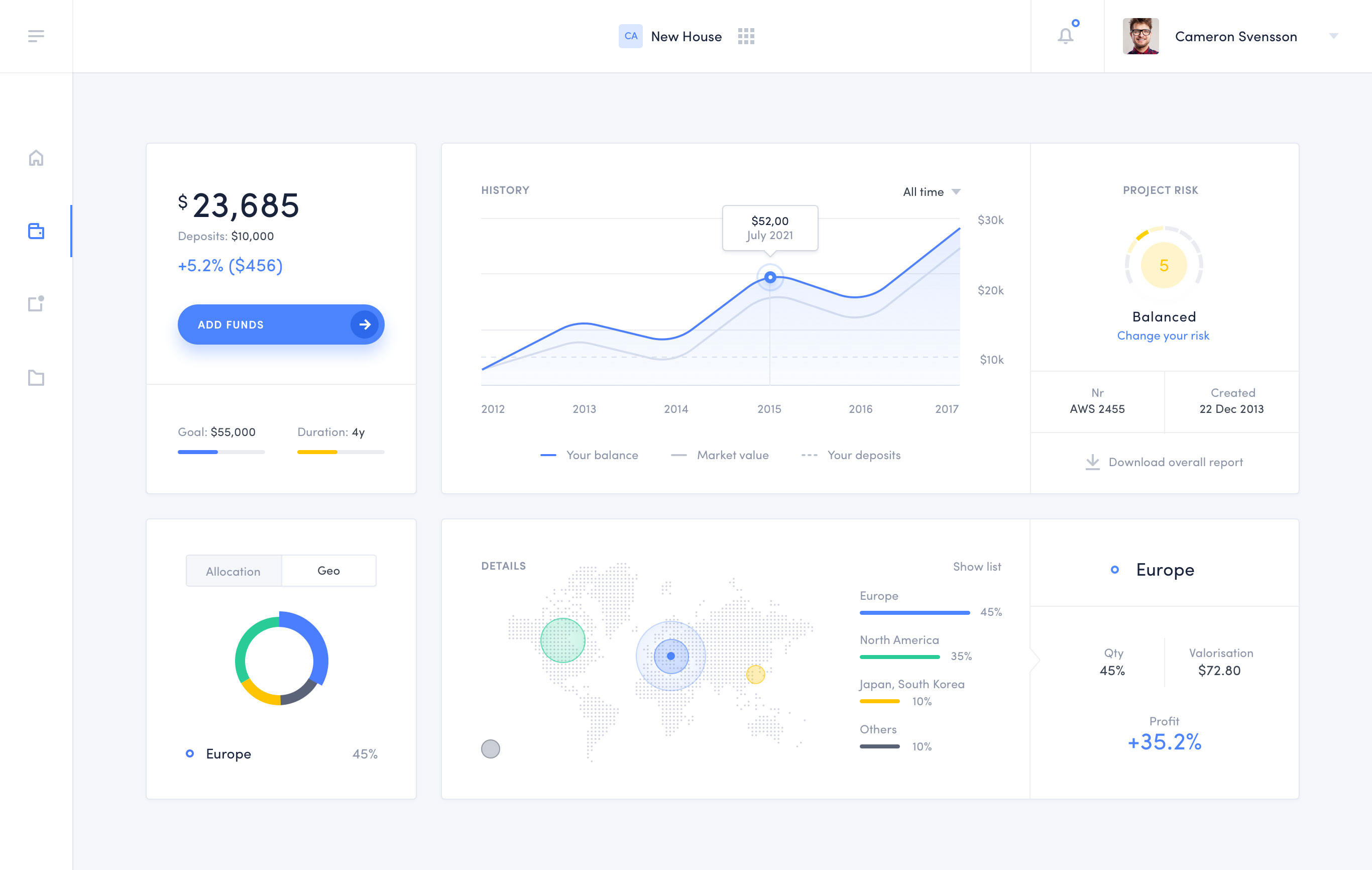
Morbi vel erat non mauris convallis vehicula. Nulla et sapien. Integer tortor tellus, aliquam faucibus.
Morbi vel erat non mauris convallis vehicula. Nulla et sapien. Integer tortor tellus, aliquam faucibus.
Morbi vel erat non mauris convallis vehicula. Nulla et sapien. Integer tortor tellus, aliquam faucibus.
Aliquam faucibus, convallis id, congue eu, quam. Mauris ullamcorper felis vitae erat. Proin feugiat, augue non elementum posuere, metus purus iaculis lectus, et tristique ligula justo vitae magna.
Mauris ullamcorper felis vitae erat. Proin feugiat, augue non elementum posuere, metus purus iaculis lectus, et tristique ligula justo vitae magna.
Mauris ullamcorper felis vitae erat. Proin feugiat, augue non elementum posuere, metus purus iaculis lectus, et tristique ligula justo vitae magna.
Mauris ullamcorper felis vitae erat. Proin feugiat, augue non elementum posuere, metus purus iaculis lectus, et tristique ligula justo vitae magna.
Mauris ullamcorper felis vitae erat. Proin feugiat, augue non elementum posuere, metus purus iaculis lectus, et tristique ligula justo vitae magna.
Mauris ullamcorper felis vitae erat. Proin feugiat, augue non elementum posuere, metus purus iaculis lectus, et tristique ligula justo vitae magna.
Mauris ullamcorper felis vitae erat. Proin feugiat, augue non elementum posuere, metus purus iaculis lectus, et tristique ligula justo vitae magna.
Suspendisse cursus rutrum augue. Nulla tincidunt tincidunt mi. Curabitur iaculis, lorem vel rhoncus faucibus, felis magna fermentum augue, et ultricies lacus lorem varius purus. Curabitur eu amet.
Curabitur iaculis, lorem vel rhoncus faucibus, felis magna fermentum augue, et ultricies lacus.
Curabitur iaculis, lorem vel rhoncus faucibus, felis magna fermentum augue, et ultricies lacus.
Curabitur iaculis, lorem vel rhoncus faucibus, felis magna fermentum augue, et ultricies lacus.
Curabitur iaculis, lorem vel rhoncus faucibus, felis magna fermentum augue, et ultricies lacus.